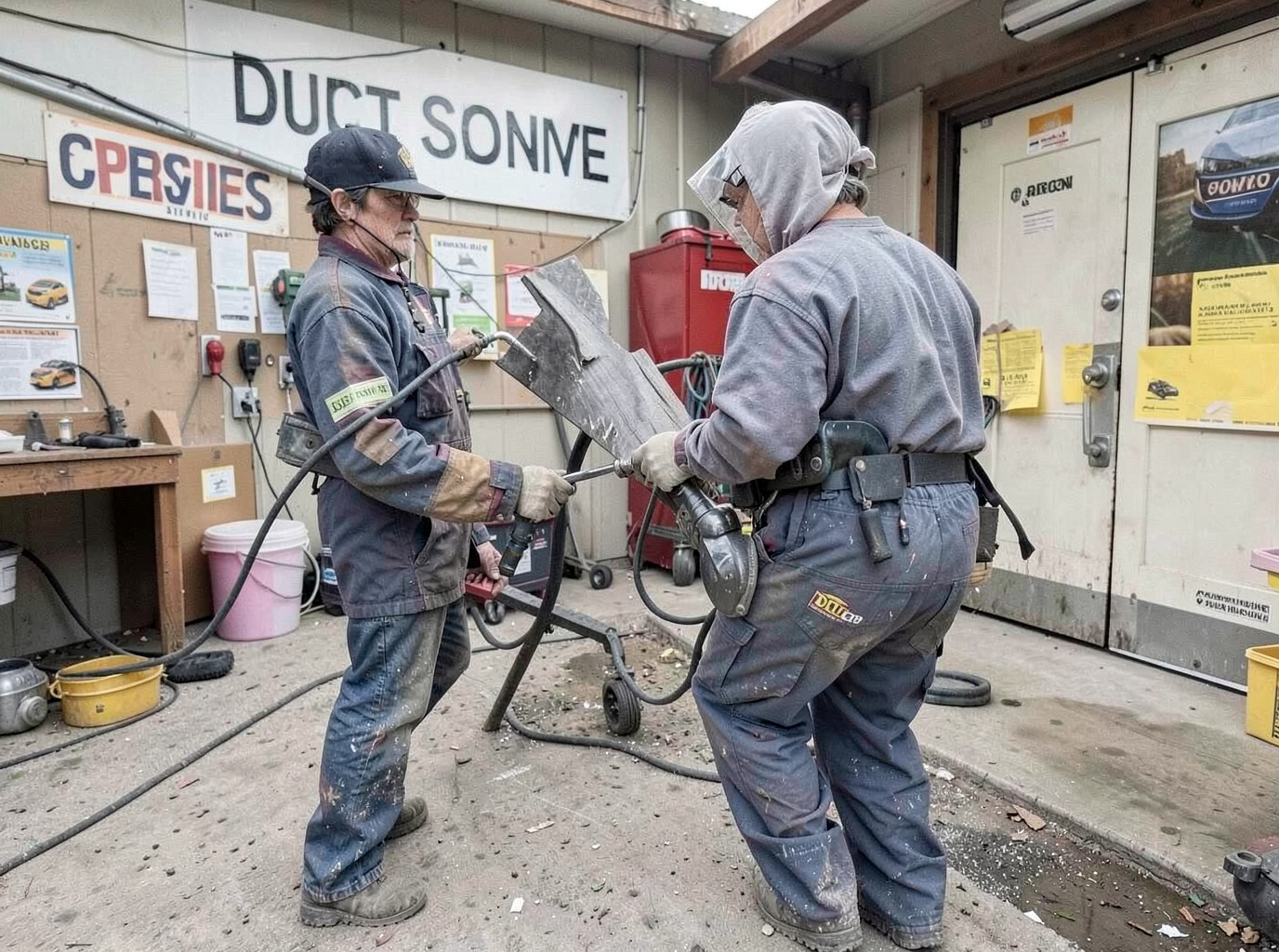
Lake Oswego homes often feature mid-century construction with metal duct runs routed through crawlspaces and attics that trap fine dust and insulation fibers. Over time these passages restrict airflow and recirculate particles, especially after nearby construction or tree pollen seasons common in the Oregon area. Proper cleaning requires reaching branch lines without disturbing insulation or creating negative pressure that pulls debris into living spaces. Technicians at VentPure Pro map each system first to avoid missing returns hidden behind finished walls.
Wet winters in the Oregon area introduce moisture that combines with dust to form sticky buildup along duct walls, particularly where condensation occurs near exterior vents. This film resists standard brushing and needs targeted agitation plus HEPA filtration to prevent redistribution. Homes near the Willamette River or on sloped lots in Lake Oswego face extra challenges from soil moisture migration that can affect basement ducts. Skipping these lines leaves odors that return within weeks.
Code requirements in Clackamas County call for maintaining system integrity during service, so access panels must be properly sealed afterward to meet current standards. Skipping this step allows unfiltered air to bypass filters. VentPure Pro documents every accessible section and leaves the system ready for immediate use without introducing new contaminants from equipment.
Technician insight
In Oregon, the thing that catches most people out with Duct cleaning services near me is the narrow, damp crawlspaces under 1960s Lake Oswego ranches where ducts sit right on the soil. Moisture from winter rains turns dust into a paste that standard brushes slide over, so you have to use longer whips and extra passes or the smell returns the first time the furnace kicks on.
Musty Odor After Nearby Construction
A Lake Oswego homeowner reported persistent dust and odors following road work on nearby streets. Inspection revealed fine silt had entered the return ducts through unsealed exterior vents. The team isolated the affected runs, performed extended agitation with containment, and restored airflow without disturbing finished ceilings. Airflow improved and the odor did not return after the next rain cycle.
How it works
- 1
System Inspection
Map all accessible supply and return runs in the Lake Oswego home to identify blockages and moisture areas.
- 2
Negative Pressure Setup
Connect HEPA-filtered equipment to contain debris during agitation of main trunks and branches.
- 3
Mechanical Cleaning
Use brushes and compressed air tools sized for the duct dimensions found in local mid-century homes.
- 4
Final Verification
Reinspect lines and confirm no loose material remains before restoring normal system operation.
Pricing
Cost depends on number of runs, access difficulty in crawlspaces, and amount of debris; upfront quotes provided after inspection.